If you grew up believing a tan looked healthy, spent long summer days at the beach, or had a few too many sunburns in your younger years (guilty), you’re definitely not alone. In Australia especially, sun exposure is practically part of our lifestyle. But while sunshine boosts our mood and gives us that coveted glow, it can also leave behind something far less welcome: pigmentation, uneven tone, and premature ageing.
The good news? Skin science and modern treatments have come a long way, and today there are more ways than ever to protect, repair, and restore sun-affected skin. Whether you’re starting to notice dark spots or simply want to future-proof your complexion, here’s everything you need to know about sun damage – and how to treat it effectively.
Why Sun Damage Is More Than Skin Deep
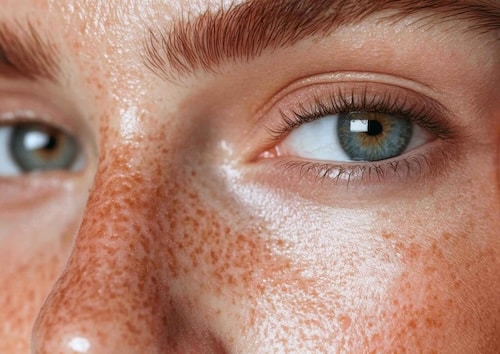
When we think of sun damage, most of us picture redness or peeling skin. But the reality is that UV exposure affects much more than the surface. In fact, dermatological research shows that up to 80% of visible skin ageing is linked to sun exposure, with genetics accounting for only a small fraction.
The real issue lies beneath the surface. UV radiation breaks down collagen and elastin – the proteins responsible for keeping skin firm, plump, and youthful. This process can begin long before you see any visible signs, meaning damage may already be happening even when your skin looks fine.
Understanding the difference between UVA and UVB rays is key:
- UVB rays are responsible for sunburn and are strongest in summer.
- UVA rays penetrate deeper into the skin and are present year-round, even on cloudy days. These are the main culprits behind wrinkles, sagging, and pigmentation.

Because UVA rays don’t fluctuate much with weather or season, daily protection is essential – not just during beach days or holidays.
SPF Truths Everyone Should Know
Sunscreen is often treated like a magic shield, but it’s important to understand what it actually does. SPF doesn’t block UV rays completely – it simply extends the time it takes for your skin to burn. So while a high SPF gives more protection, it doesn’t make you invincible.
For Australian conditions, experts generally recommend:
- SPF 30+ minimum for daily use
- SPF 50+ for extended outdoor exposure
And here’s a common myth worth busting: the SPF in your makeup or moisturiser usually isn’t enough on its own. Most people don’t apply enough product to achieve the labelled protection, which is why a dedicated sunscreen layer should always be the final step in your skincare routine.
Think of SPF as your daily insurance policy for your skin — something you use consistently, not just when you remember.

Prevention Still Wins
When it comes to sun damage, prevention is always easier than correction. That doesn’t mean avoiding the outdoors entirely – it just means being strategic.
Smart sun habits include:
- Avoiding peak UV hours (typically late morning to mid-afternoon)
- Wearing hats and protective clothing
- Seeking shade whenever possible
- Reapplying sunscreen every two hours outdoors
It may feel excessive in the moment, but your future skin will thank you for it.
What If Damage Is Already There?
Even with the best intentions, most of us already have some level of sun damage. Pigmentation, freckles, sunspots, and uneven tone are incredibly common – especially in countries with intense UV exposure.
The encouraging part is that modern treatments can visibly improve these concerns. With the right combination of professional therapies and at-home skincare, you can significantly brighten and even out your complexion.

Professional Treatments That Target Pigmentation
Seeing a qualified skin therapist is one of the most effective ways to address sun damage because they can assess your skin and recommend treatments tailored to your needs. Some of the most popular options include:
Hydrodermabrasion for Surface Damage
This gentle exfoliating treatment removes dead skin cells and encourages cell turnover, revealing fresher, brighter skin underneath. It’s particularly helpful for mild pigmentation and dullness, and many people notice a glow after just one session. Think of it as a reset button for tired, sun-exposed skin.
IPL Therapy for Deeper Pigmentation
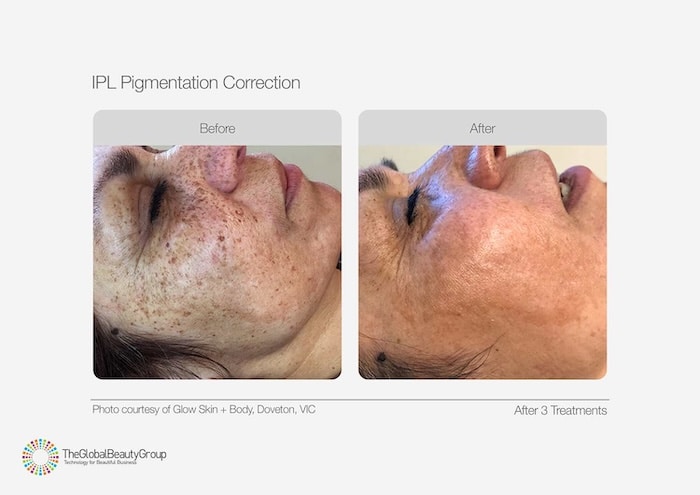
Intense Pulsed Light (IPL) is a favourite among skin professionals for treating sunspots and uneven tone. It works by delivering controlled light pulses that target excess melanin in the skin, helping to break up pigmentation and encourage a clearer complexion.
Beyond improving tone, IPL machines can also stimulate collagen production, making skin look smoother and more refined over time. A series of sessions is usually recommended for best results.
LED Light Therapy for Gentle Repair
For those wanting a non-invasive option, LED light therapy can be a great addition to a skin treatment plan. Different wavelengths target different concerns:
- Green light helps regulate melanin production and reduce discolouration.
- Red light supports cellular repair and boosts collagen.
Together, they help fade pigmentation while improving overall skin health and resilience.
Skincare Ingredients That Help Correct Sun Damage
Professional treatments can do a lot of the heavy lifting, but your daily skincare routine plays a crucial supporting role. Certain ingredients are particularly effective at improving pigmentation and strengthening the skin barrier.
Look for formulas containing:
- Vitamin C – brightens skin and protects against free radical damage
- Niacinamide – reduces redness and improves barrier function
- AHAs (Alpha Hydroxy Acids) – gently exfoliate and refine texture
Consistency is key here. These ingredients work best when used regularly over time, not just occasionally.
One important note: many active ingredients can make your skin more sensitive to sunlight. That’s why pairing them with daily SPF is non-negotiable – otherwise you risk undoing your progress.
Why Professional Guidance Matters
With so many treatments and products available, it can be tempting to try everything at once. But skin isn’t one-size-fits-all, and what works for someone else might not be ideal for you.
A professional consultation can:
- Identify the type of pigmentation you have
- Determine how deep it sits in the skin
- Recommend the safest and most effective treatment plan
This tailored approach not only delivers better results but also helps prevent irritation or worsening pigmentation.
The Takeaway: Protect, Treat, Maintain
Sunshine is part of what makes life feel good – and in Australia, it’s practically unavoidable. But that doesn’t mean you have to accept sun damage as inevitable.
The most effective strategy is a three-step approach:
1. Protect daily with SPF and smart sun habits
2. Treat existing damage using targeted skincare and professional treatments
3. Maintain results through consistency and regular skin check-ins
Pigmentation and sun damage might be common, but they’re far from untreatable. With the right knowledge and tools, you can restore brightness, even tone, and confidence in your skin.
Because while a tan may fade, healthy, well-cared-for skin is something that lasts.
This article is created in partnership with The Global Beauty Group. To explore LED light therapy machines, IPL devices, or to locate a professional treatment provider in your local area, visit their website.

Hi, I’m Anna the Editor of Beauty and Lace.